
The global automotive industry is undergoing one of the biggest transformations in its history. As governments strengthen emission regulations and consumers become more interested in sustainable transportation, electric vehicles (EVs) are moving from a niche market into mainstream adoption. Among the companies driving this change, BYD has become one of the most influential EV manufacturers, expanding its presence from China to markets across the world.
BYD’s global growth is not only changing consumer choices but also reshaping competition among traditional automakers and emerging EV brands. Through advanced battery technology, diversified vehicle offerings, and a strong international supply chain, BYD is accelerating the transition toward electric mobility in many regions.
At the same time, the expansion of Chinese electric vehicle brands has created new opportunities for international automotive trade companies. Companies such as Wuhan Xinyuanhe Auto Sales And Service Co., Ltd. are playing an important role in connecting global markets with reliable vehicle supply channels.
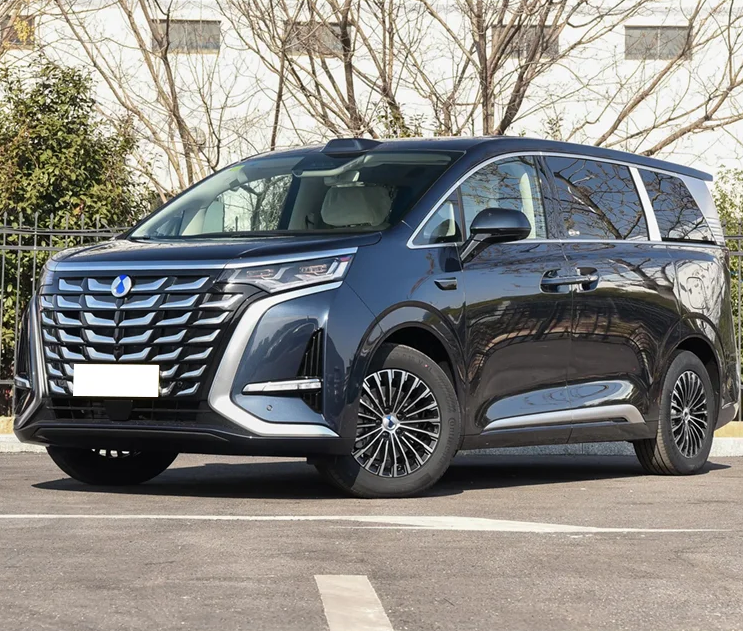
BYD’s Rise as a Global EV Leader
Founded in China, BYD initially built its reputation through battery technology before entering the automotive sector. This background gave the company a strong foundation in electric power systems, which became one of its biggest competitive advantages in the EV market.
Unlike some automakers that focus on only one vehicle category, BYD has developed a broad product portfolio covering passenger cars, SUVs, commercial vehicles, and electric buses. This strategy allows the company to serve different customer groups and adapt to the needs of various international markets.
BYD’s Blade Battery technology has also attracted significant attention in the industry. Safety, durability, and energy efficiency are among the key concerns for EV buyers, and battery performance directly affects consumer confidence. By improving battery design and manufacturing capabilities, BYD has strengthened its position in global electric vehicle competition.
The company’s expansion strategy is not simply about exporting vehicles. It involves building brand recognition, establishing local partnerships, and understanding different market requirements.
Expanding Beyond China Into Global Markets
In the early stages of EV development, many Chinese electric vehicle manufacturers focused mainly on domestic demand. However, BYD has increasingly targeted international markets, including Europe, Southeast Asia, the Middle East, Latin America, and other regions where EV adoption is growing.
Different markets have different transportation conditions and consumer preferences. For example, European customers often pay close attention to environmental standards and vehicle technology, while emerging markets may focus more on reliability, maintenance convenience, and long-term operating costs.
BYD’s ability to offer various models helps it adapt to these differences. Compact electric vehicles are suitable for urban transportation, while larger electric SUVs and commercial vehicles can meet family and business needs.
The company’s international expansion has also encouraged more competition in the EV sector. Traditional automotive manufacturers are increasing investment in electric platforms, battery technology, and charging infrastructure to respond to the growing influence of Chinese EV brands.
How BYD Is Changing the Competitive Landscape
BYD’s global expansion has changed the way automakers approach the EV industry. In the past, established automotive companies controlled many major markets through decades of brand development and manufacturing experience. Today, EV technology has created new opportunities for companies with strong battery and software capabilities.
Several factors explain BYD’s influence:
1. Strong Supply Chain Integration
One major advantage of BYD is its ability to control important parts of the EV production process. From batteries to electronic systems and vehicle manufacturing, the company has developed extensive internal capabilities.
This integration helps improve production efficiency and allows faster product development. It also reduces dependence on external suppliers, which is especially important as the EV industry faces challenges related to supply chain stability.
2. Diverse Product Strategy
Different regions require different vehicle solutions. BYD’s product range enables it to enter multiple segments instead of depending on a single market category.
For example, electric passenger vehicles support urban mobility, while electric commercial vehicles provide solutions for transportation companies and logistics operators.
3. Growing International Distribution Networks
Successful global expansion requires more than manufacturing capacity. Companies need strong distribution channels, after-sales support, and local market knowledge.
This is where international automotive service providers become increasingly important. Wuhan Xinyuanhe Auto Sales And Service Co., Ltd., located in Wuhan, Hubei Province, has more than ten years of experience in the automotive industry and specializes in international vehicle trade.
As a comprehensive automotive export company, Xinyuanhe Auto covers new vehicles, used vehicles, auto parts, electric vehicle charging equipment, modified vehicles, and commercial vehicles. The company has exported more than 50 categories of automobile brands and developed business relationships with over 200 distributors across more than 50 countries and regions, including the Middle East, Central Asia, Eastern Europe, Southeast Asia, Africa, and South America.
With an annual export volume reaching 3,000 vehicles, Xinyuanhe Auto supports multiple vehicle export methods to meet different market requirements and import needs. For customers looking for BYD vehicles and other new energy vehicle solutions, professional export channels help simplify international purchasing and logistics processes.
More information about BYD vehicle export solutions can be found here:
https://www.yuanhauto.com/BYD2
The Role of EV Export Companies in Global Adoption
The international growth of electric vehicles depends on more than vehicle manufacturers. Export companies, distributors, logistics providers, and service networks all contribute to making EVs accessible in different countries.
For many overseas buyers, purchasing vehicles from another country involves complex procedures, including vehicle selection, transportation arrangements, customs requirements, and local compliance. Experienced automotive export companies help reduce these challenges by providing integrated services.
Companies with international experience can also provide valuable market feedback to manufacturers. Understanding customer preferences in different regions allows vehicle suppliers to improve product strategies and develop models that better match local demand.
As EV adoption continues to expand, the connection between manufacturers and global automotive markets will become increasingly important.
Challenges Facing BYD and the EV Industry
Although BYD has achieved significant global growth, the company and the broader EV industry still face several challenges.
One challenge is adapting to different regulations. Each country has its own standards for vehicle safety, emissions, certification, and import procedures. Automakers must invest resources to ensure their products meet local requirements.
Another challenge is building long-term brand trust. In many markets, consumers have strong relationships with traditional automotive brands. New EV manufacturers need to demonstrate product reliability, service quality, and customer support over time.
Charging infrastructure is also a key factor affecting EV adoption. Without convenient charging networks, consumers may hesitate to switch from traditional vehicles to electric alternatives. Therefore, cooperation between automakers, governments, and energy companies is essential.
The Future Impact of BYD’s Global Strategy
BYD’s international expansion represents a broader shift in the automotive industry. The future of transportation will not only be defined by vehicle design but also by battery innovation, digital technology, energy systems, and global supply networks.
As more countries transition toward electric mobility, companies that can combine technology development with effective international distribution will have stronger opportunities to succeed.
BYD’s growth demonstrates how Chinese EV manufacturers are becoming important players in the global automotive market. At the same time, automotive export companies such as Wuhan Xinyuanhe Auto Sales And Service Co., Ltd. are helping connect manufacturers with customers worldwide.
The global EV market is still developing, and competition will continue to increase. However, the expansion of companies like BYD is accelerating innovation, improving consumer choices, and pushing the automotive industry toward a more sustainable future.