
The automotive market is changing quickly in 2026. Across many regions, drivers are becoming more selective about what they expect from their next vehicle. Instead of simply looking for a car that can take them from one place to another, many buyers now consider technology, fuel efficiency, safety, comfort, connectivity, and long-term usability before making a decision.
This shift is one reason more drivers are choosing new vehicles. The decision is not always about having the latest model. In many cases, it is about getting a vehicle that better fits modern driving habits and changing transportation needs.
For international buyers, fleet operators, dealers, and individual customers, the growing selection of new vehicles also makes it easier to find models suited to different markets. From traditional fuel-powered cars to hybrid and electric vehicles, the new-car market in 2026 offers more choices than ever.
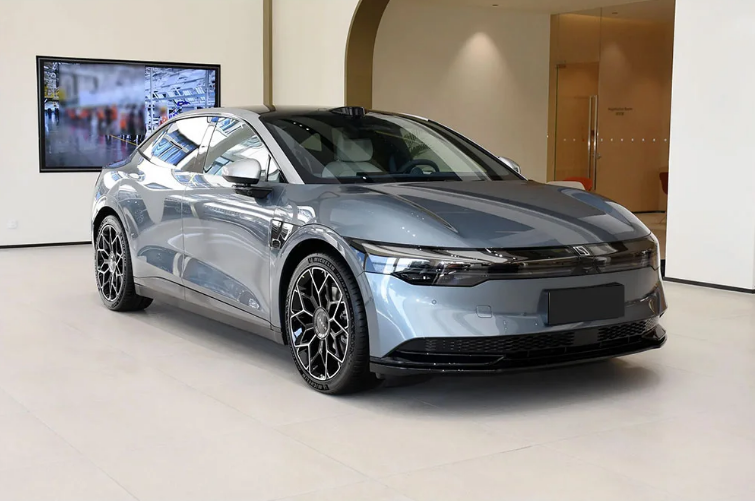
1. New Vehicles Offer More Advanced Technology
Technology has become one of the biggest reasons drivers are moving toward new vehicles.
Many new models now come equipped with features that were once limited to premium cars. Large digital displays, smartphone integration, intelligent voice controls, connected navigation, wireless charging, and advanced driver assistance systems are becoming increasingly common.
For daily drivers, these technologies can make routine trips more convenient. Drivers can access navigation, entertainment, communication, and vehicle information through integrated systems rather than relying on separate devices.
Safety technology is also developing rapidly. Depending on the model and market, new vehicles may include adaptive cruise control, lane departure warnings, automatic emergency braking, blind-spot monitoring, parking assistance, and 360-degree cameras.
These features do not replace careful driving, but they can provide additional support in common driving situations. For families, business users, and long-distance drivers, this added technology can make a meaningful difference.
2. Better Fuel Efficiency Is Changing Buying Decisions
Fuel efficiency remains an important consideration for drivers around the world.
Modern vehicle manufacturers are investing heavily in more efficient engines, hybrid systems, and electric powertrains. As a result, buyers have more options for reducing fuel consumption and adapting to different driving conditions.
For some customers, a fuel-efficient gasoline or diesel vehicle remains the practical choice, particularly in areas where charging infrastructure is limited. For others, hybrid vehicles offer a balance between conventional engines and electrification.
Electric vehicles are also becoming increasingly visible in global markets. Improved battery technology and a wider selection of EV models are encouraging more consumers and commercial users to consider electric mobility.
The right choice depends heavily on local infrastructure, driving distance, climate, road conditions, and access to charging facilities. This is particularly important for international vehicle buyers, as the ideal powertrain for one market may not be the best solution for another.
3. Drivers Want Vehicles That Match Modern Lifestyles
The way people use their vehicles has changed.
For many families, a car is no longer used only for commuting. It may also serve as a family transportation solution, a vehicle for weekend travel, or a practical tool for work and business.
This has increased demand for vehicles with flexible interiors, comfortable seating, larger cargo areas, and useful technology.
SUVs and crossovers remain attractive to many drivers because they combine everyday practicality with a higher driving position and versatile interior space. Sedans continue to appeal to customers who prioritize smooth road performance and efficient daily transportation.
Meanwhile, commercial users are looking for vehicles that can support specific business needs. Vans, pickups, light commercial vehicles, and larger commercial models can play an important role in logistics, construction, transportation, and other industries.
The growing diversity of vehicle types means that buyers can choose based on actual usage rather than simply following one market trend.
4. New Cars Can Provide Greater Confidence in Vehicle Condition
One practical reason some drivers choose new vehicles is the certainty of knowing the vehicle’s history.
When buying a new car, customers generally know that the vehicle has not been previously used by another owner. This can reduce concerns about unknown maintenance records, previous accidents, excessive wear, or improper use.
For international dealers and fleet buyers, this factor can also simplify vehicle selection. New vehicles can be easier to source according to specific requirements, including model configuration, powertrain, body type, and market preferences.
However, buying a new vehicle still requires careful consideration. Buyers should check specifications, after-sales support, spare parts availability, warranty terms, and whether the vehicle is suitable for the destination market.
A new vehicle is not automatically the right choice for every customer. The key is matching the vehicle to the actual needs of the buyer.
5. The Global New-Vehicle Market Is Becoming More Diverse
One of the most noticeable developments in 2026 is the growing diversity of vehicle brands and models available to international buyers.
Drivers are no longer limited to a small group of traditional manufacturers in many markets. New brands and emerging manufacturers are expanding their international presence, offering vehicles with different combinations of technology, design, performance, and powertrain options.
This is creating new opportunities for automotive distributors and dealers.
For customers looking to explore the latest vehicle options, the selection of new cars available through international automotive suppliers can include different categories designed for different markets and customer requirements.
For example, buyers in urban areas may prioritize compact vehicles and EVs, while customers in regions with long-distance travel needs may prefer SUVs or vehicles with larger fuel tanks. Commercial buyers may focus more heavily on payload capacity, durability, and operating efficiency.
This market diversity is making vehicle sourcing more flexible, but it also makes professional supplier selection more important.
6. New Vehicles Are Becoming More Connected
Connectivity is another major factor influencing vehicle decisions in 2026.
Modern vehicles are increasingly designed as connected devices. Depending on the model, drivers may be able to connect their smartphones, access cloud-based services, receive navigation updates, monitor vehicle information, or control certain functions remotely.
For younger drivers and technology-focused consumers, these features can be a significant part of the ownership experience.
Connected vehicle technology is also relevant to commercial fleets. Fleet operators may use digital systems to monitor vehicles, manage routes, and improve operational efficiency. As logistics and transportation businesses become more data-driven, connected vehicle features are likely to play a larger role in fleet management.
However, connectivity should be evaluated based on local conditions. Some software and online services may depend on regional networks or specific service providers. International buyers should confirm compatibility before importing vehicles for a particular market.
7. International Vehicle Sourcing Is Becoming More Important
The increasing demand for new vehicles is also closely connected to the growth of international automotive trade.
Different countries have different consumer preferences, regulations, road conditions, and infrastructure. As a result, automotive businesses need flexible sourcing channels that can respond to these differences.
Wuhan Xinyuanhe Auto Sales Service Co., Ltd., based in Wuhan, Hubei Province, China, has more than ten years of experience in the automotive industry. The company operates as a comprehensive international trading company, with business covering new vehicles, used cars, auto parts, electric vehicle charging piles, modified vehicles, and commercial vehicles.
Its automotive export business covers more than 50 vehicle brand categories and serves markets across the Middle East, Central Asia, Eastern Europe, Southeast Asia, Africa, and South America. The company has established cooperation with more than 200 dealers across more than 50 countries and regions, with annual exports reaching approximately 3,000 vehicles.
This international experience is valuable because vehicle exports are not simply about moving cars from one country to another. Different customers may require different export solutions depending on local regulations, logistics conditions, vehicle specifications, and import requirements.
By supporting multiple vehicle export methods, Xinyuanhe Auto aims to provide more flexible solutions for dealers and customers in different markets.
8. The Best New Vehicle Is the One That Fits the Real Need
Although more drivers are switching to new vehicles in 2026, the most important factor remains practical suitability.
Before choosing a vehicle, buyers should consider several questions:
-
How many people will regularly use the vehicle?
-
Is it mainly for city driving or long-distance travel?
-
Is fuel efficiency a major concern?
-
Is EV charging infrastructure available locally?
-
Does the vehicle meet local regulations?
-
Are spare parts and technical support accessible?
-
Is the vehicle intended for personal use, commercial operations, or fleet management?
These questions help buyers avoid choosing a vehicle based solely on appearance or marketing.
For international buyers, it is equally important to work with an experienced automotive supplier that understands export procedures and market differences. A reliable supplier can help customers identify suitable vehicle categories and arrange an export solution based on their actual requirements.
Looking Ahead: Why the Trend Is Likely to Continue
The shift toward new vehicles in 2026 is driven by several practical factors: better technology, improved safety systems, greater powertrain diversity, stronger connectivity, and changing customer expectations.
At the same time, the global automotive market is becoming increasingly interconnected. Drivers and dealers now have access to a wider range of vehicles from different manufacturers and production markets.
For consumers, this creates more choice. For international automotive businesses, it creates new opportunities but also increases the importance of professional sourcing, reliable logistics, and market-specific solutions.
Wuhan Xinyuanhe Auto Sales Service Co., Ltd. is positioned within this changing automotive landscape by combining vehicle sourcing with international trade experience. With a broad product portfolio covering new and used vehicles, EV-related products, commercial vehicles, auto parts, and customized automotive solutions, the company works with dealers and customers across multiple international markets.
Ultimately, the growing interest in new vehicles is not simply about buying something newer. It reflects a broader shift toward vehicles that are safer, more connected, more efficient, and better suited to the way people and businesses travel today. As the automotive industry continues to evolve, drivers in 2026 have more opportunities to choose vehicles that match their specific needs—and international suppliers will play an increasingly important role in helping them make that choice.