
The automotive landscape in China has undergone a profound transformation over the last two decades. As the world’s largest automobile market, China is not only a hub for domestic car sales but also a growing center for international trade, innovation, and technology integration in the automotive sector. With the rise of electric vehicles (EVs), smart mobility solutions, and digital sales channels, traditional auto dealerships are facing both challenges and opportunities. Companies like Wuhan Xinyuanhe Auto Sales Service Co., Ltd are at the forefront of this evolution, bridging domestic innovation with global trade.
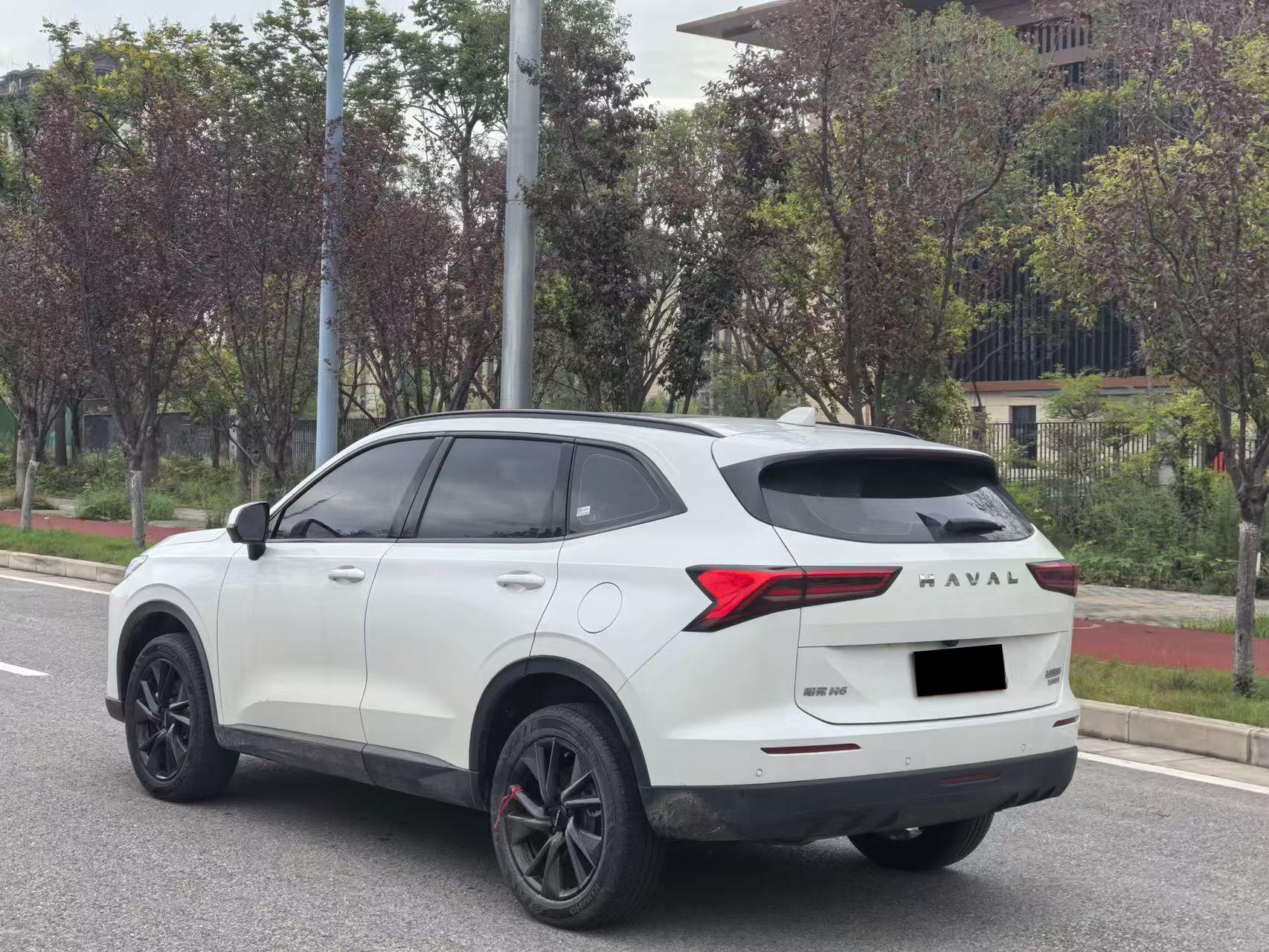
The Changing Role of Auto Dealerships
Historically, auto dealerships in China operated primarily as sales intermediaries, connecting manufacturers to consumers. Their role was largely transactional: selling new and used vehicles, providing basic maintenance, and managing inventory. However, the market dynamics are shifting. Customers are increasingly looking for integrated experiences that combine sales, services, financing, customization, and after-sales support.
Today’s dealerships must become service-oriented hubs. This includes:
-
Digital Customer Engagement: Online car configurators, virtual showrooms, and mobile apps are allowing customers to explore and purchase vehicles without physically visiting the dealership.
-
EV and Hybrid Expertise: With China leading global EV adoption, dealerships are expected to provide detailed knowledge, charging solutions, and maintenance services for electric and hybrid vehicles.
-
Personalization and Customization: Customers now expect options for vehicle modification, from performance tuning to aesthetic upgrades. Dealerships that provide these services gain a competitive edge.
Companies like Wuhan Xinyuanhe Auto Sales Service Co., Ltd exemplify this new model. With over a decade of experience in the automotive industry, they operate across multiple domains including new cars, used cars, auto parts, EV charging stations, and commercial vehicles. Their ability to offer a comprehensive suite of services positions them as a forward-thinking player in the evolving market.
Embracing Digital Transformation
Digital transformation is no longer optional for auto dealerships; it is essential for survival. In China, platforms such as JD Auto, Tmall Auto, and Bitauto have disrupted traditional car-buying experiences. Consumers can now compare models, read reviews, and complete financing applications entirely online.
Forward-looking dealerships are integrating these platforms with their own systems to ensure seamless inventory management and customer service. Wuhan Xinyuanhe Auto Sales Service Co., Ltd has also leveraged technology to streamline exports, making it easier for international buyers to access Chinese automotive products. With a network spanning over 50 countries and regions, including the Middle East, Central Asia, Eastern Europe, Southeast Asia, Africa, and South America, the company provides customized solutions for diverse markets.
A strong digital infrastructure allows dealerships to:
-
Track Customer Preferences: Using AI-powered analytics, dealerships can anticipate customer needs and recommend tailored vehicle options.
-
Optimize Inventory Management: Data-driven insights help maintain an optimal balance between supply and demand, minimizing stock costs.
-
Enhance After-Sales Service: Digital platforms facilitate online service booking, warranty management, and real-time support for vehicle owners.
By combining digital tools with on-the-ground expertise, dealerships like Xinyuanhe are creating a hybrid model that satisfies both traditional and modern consumer expectations.
Electric Vehicles and Green Mobility
China’s commitment to reducing carbon emissions and promoting sustainable mobility has accelerated the adoption of electric vehicles. Government incentives, infrastructure development, and rising consumer awareness are fueling this trend. For dealerships, this represents both an opportunity and a challenge.
Key considerations for EV-focused dealerships include:
-
Charging Infrastructure: Integrating EV charging stations into dealership locations and providing home installation solutions.
-
Battery Maintenance and Recycling: Offering battery health checks, replacements, and recycling programs to ensure sustainability.
-
Education and Consultation: Helping customers understand EV benefits, range limitations, and incentives.
Wuhan Xinyuanhe Auto Sales Service Co., Ltd has incorporated EV solutions into its portfolio, including charging stations and dedicated EV services. This not only broadens their market appeal but also aligns them with global sustainability goals.
International Trade and Export Strategy
China’s automotive industry has long been export-focused, and the role of dealerships in international trade is expanding. Companies that combine domestic market expertise with global logistics capabilities are best positioned to succeed.
Xinyuanhe has established partnerships with over 200 dealers worldwide and supports multiple export methods to meet diverse customer needs. Their annual export volume has reached 3,000 vehicles, spanning new and used cars, commercial vehicles, and specialty modifications. By understanding foreign market regulations, cultural preferences, and logistical challenges, dealerships can create seamless international transactions.
This global approach reflects a larger trend in Chinese auto dealerships: expanding beyond domestic sales to become international trade and service hubs. It also underscores the importance of combining sales expertise with supply chain management, customer support, and post-sale services.
Customization and Aftermarket Services
Customization is no longer a niche market. Vehicle modifications, from performance tuning to cosmetic changes, are increasingly mainstream. Dealerships that offer reliable modification services while ensuring warranty compliance can attract a loyal customer base.
Aftermarket services are equally important. Modern consumers expect:
-
Regular maintenance and repair services
-
Genuine parts and accessories
-
Flexible service scheduling
-
Transparent pricing and warranty guarantees
By integrating these services, dealerships like Xinyuanhe can foster long-term customer relationships rather than focusing solely on one-time vehicle sales.
Future Outlook
The future of auto dealerships in China is multi-dimensional, blending traditional sales expertise with digital innovation, green mobility, and international trade. Success will favor those who:
-
Embrace Technology: Virtual showrooms, AI-driven analytics, and online service platforms are no longer optional.
-
Focus on Customer Experience: Personalization, seamless transactions, and integrated services will drive loyalty.
-
Support Sustainability: EV infrastructure, battery services, and environmentally responsible operations are increasingly critical.
-
Expand Globally: Export expertise and cross-border partnerships will unlock new growth opportunities.
Companies like Wuhan Xinyuanhe Auto Sales Service Co., Ltd provide a blueprint for this future. Their ability to integrate diverse services, innovate digitally, and manage international operations demonstrates how modern dealerships can thrive in a competitive and rapidly changing market. For more information about their offerings and global services, visit Wuhan Xinyuanhe Auto Sales Service Co., Ltd.
Conclusion
China’s auto dealership industry is entering a new era defined by technology, sustainability, and international collaboration. Traditional business models are giving way to integrated, customer-centric approaches that emphasize digital engagement, EV readiness, and global reach. Companies that can adapt quickly, innovate responsibly, and provide holistic services will set the standard for the next generation of auto dealerships.
By observing and learning from leading players like Wuhan Xinyuanhe Auto Sales Service Co., Ltd, other dealerships can anticipate market trends, embrace digital transformation, and develop strategies to succeed both domestically and internationally. The road ahead is challenging but full of opportunity for those ready to innovate and expand.