
Buying a new vehicle is a significant decision that goes beyond choosing a stylish exterior or a well-known brand. Today’s automotive market is more diverse than ever, offering everything from fuel-efficient sedans and electric vehicles to rugged SUVs and commercial trucks. To make a smart and practical investment, buyers need to focus on features that align with their real-world needs, driving habits, and long-term expectations.
This guide breaks down the most important features to consider when purchasing a new vehicle, helping you move beyond surface-level appeal and make a decision grounded in usability, safety, and value.
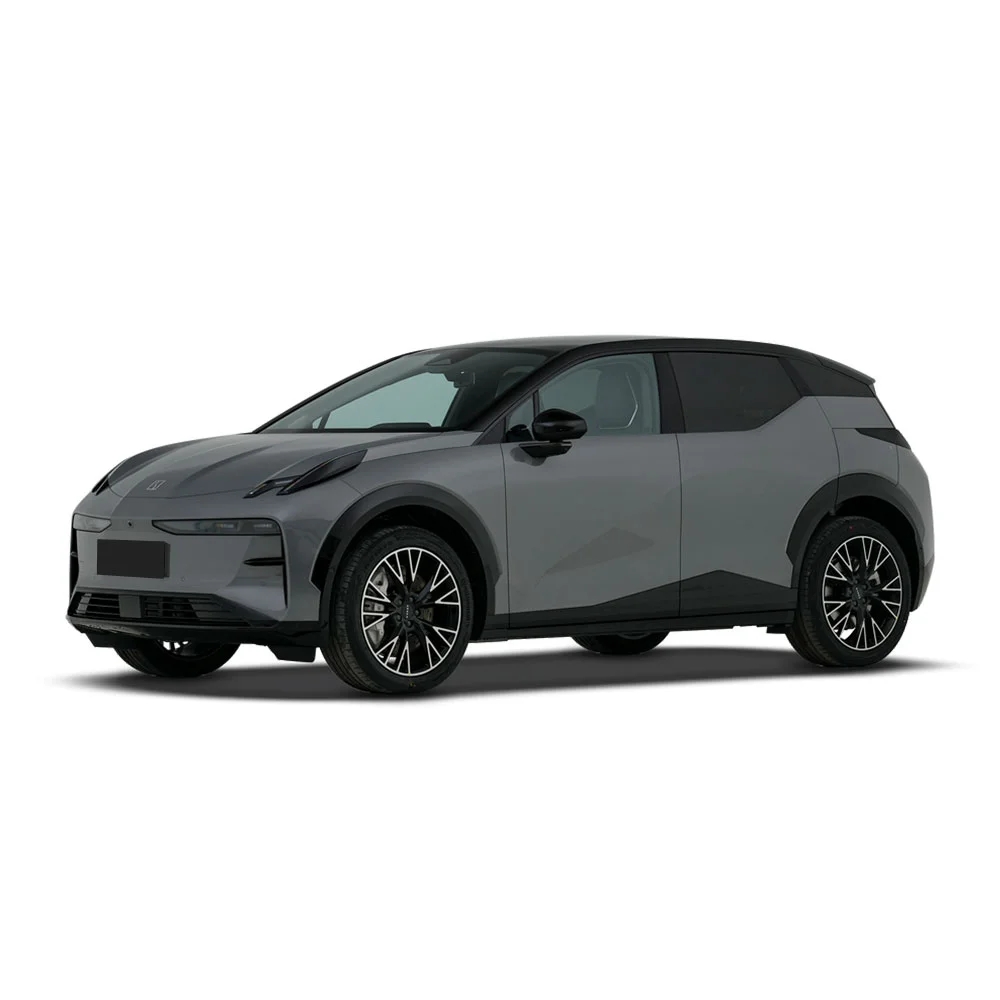
1. Safety Features Should Come First
Safety is no longer limited to airbags and seat belts. Modern vehicles are equipped with advanced driver-assistance systems (ADAS) designed to prevent accidents and protect passengers.
Key safety features to prioritize include:
-
Automatic emergency braking (AEB)
-
Lane departure warning and lane-keeping assist
-
Blind-spot monitoring
-
Adaptive cruise control
-
Rear cross-traffic alert
These technologies are especially valuable for daily commuters and families. If you frequently drive in urban environments or on highways, these features can significantly reduce stress and improve overall driving confidence.
2. Fuel Efficiency and Powertrain Options
Fuel economy remains a critical factor, especially for drivers with long commutes or businesses managing fleet operations. Buyers should carefully evaluate engine types and fuel consumption ratings.
Common powertrain options include:
-
Traditional gasoline engines
-
Hybrid systems for improved efficiency
-
Fully electric vehicles (EVs) for zero emissions
-
Diesel engines for long-distance and heavy-duty use
Electric vehicles are becoming increasingly popular due to environmental concerns and advancements in charging infrastructure. For international buyers or businesses, having access to reliable EV charging solutions is equally important when considering long-term usability.
3. Interior Comfort and Space
A vehicle’s interior directly impacts your daily experience. Comfort should not be overlooked, particularly if you spend extended periods behind the wheel.
Look for:
-
Adjustable seating with lumbar support
-
High-quality materials and finishes
-
Adequate legroom and headroom
-
Climate control systems (dual-zone or multi-zone)
-
Noise insulation for a quieter ride
For families, cargo space and flexible seating arrangements are essential. For commercial use, interior durability and ease of cleaning may take priority.
4. Technology and Connectivity
Modern vehicles are increasingly integrated with smart technology. While flashy features may be appealing, focus on functionality and ease of use.
Important tech features include:
-
Infotainment system with a responsive touchscreen
-
Smartphone integration (Apple CarPlay or Android Auto)
-
Bluetooth connectivity
-
Navigation systems
-
Voice control
Some vehicles also offer over-the-air software updates, which can improve system performance and add new features over time.
5. Reliability and Maintenance Considerations
A vehicle’s long-term reliability is just as important as its initial performance. Buyers should research brand reputation, maintenance requirements, and service availability.
Consider:
-
Manufacturer warranty coverage
-
Availability of spare parts
-
Service network accessibility
-
Maintenance frequency
For international buyers, working with a trusted exporter can simplify this process. Companies like Wuhan Xinyuanhe Auto Sales Service Co., Ltd. have extensive experience in global automotive trade, offering support that goes beyond the initial purchase. With over a decade in the industry and partnerships across more than 50 countries, they help ensure that vehicles meet the specific requirements of different markets.
6. Driving Performance and Handling
Performance is not just about speed. It includes how the vehicle handles, accelerates, and responds under different conditions.
Evaluate:
-
Engine power and torque
-
Transmission type (automatic, manual, CVT)
-
Suspension system
-
Steering responsiveness
-
Braking performance
If you frequently drive in mountainous areas or carry heavy loads, prioritize vehicles with strong torque and stable handling. For city driving, smooth acceleration and compact maneuverability are more practical.
7. Exterior Design and Build Quality
While aesthetics are subjective, build quality is not. A well-constructed vehicle will last longer and perform better under various conditions.
Look for:
-
Durable paint and corrosion resistance
-
Solid panel alignment
-
High-quality lighting systems (LED or adaptive headlights)
-
Aerodynamic design for improved efficiency
For commercial or off-road vehicles, rugged construction and protective features are especially important.
8. Cargo Capacity and Practicality
Your vehicle should match your lifestyle or business needs. Cargo space and versatility often determine how useful a vehicle truly is.
Consider:
-
Trunk or cargo volume
-
Foldable rear seats
-
Roof rack compatibility
-
Storage compartments
For businesses, especially those involved in logistics or transport, commercial vehicles with adaptable storage configurations are a better fit than standard passenger cars.
9. Environmental Impact
Sustainability is becoming a major consideration for buyers worldwide. Choosing a vehicle with lower emissions not only benefits the environment but may also align with regulatory requirements in certain regions.
Electric and hybrid vehicles are leading this shift, but even efficient gasoline engines can offer reduced environmental impact compared to older models.
10. Export Compatibility and Global Support
For international buyers, vehicle selection involves more than just features. It requires ensuring compatibility with local regulations, road conditions, and infrastructure.
This is where experienced exporters play a crucial role. Wuhan Xinyuanhe Auto Sales Service Co., Ltd. offers a comprehensive range of automotive solutions, including new cars, used vehicles, commercial vehicles, and even charging infrastructure. Their ability to support multiple export methods allows buyers to adapt to different import policies and logistical challenges.
If you are exploring available options, you can review current inventory here:
11. Customization and Special Applications
Some buyers require vehicles tailored to specific needs, such as modified vehicles or specialized commercial units. Customization options can include:
-
Interior modifications
-
Performance upgrades
-
Branding for business fleets
-
Specialized equipment installation
Working with a supplier that offers customization services ensures the vehicle meets your exact requirements rather than forcing you to adapt to a standard model.
12. Long-Term Value and Resale Potential
Even if you plan to keep your vehicle for years, resale value matters. Vehicles with strong brand recognition, reliability, and demand tend to retain value better.
Factors influencing resale value:
-
Brand reputation
-
Maintenance history
-
Market demand
-
Fuel efficiency and technology
Choosing a vehicle with widely available parts and service support can also make it more attractive to future buyers.
Final Thoughts
Buying a new vehicle is not just about choosing what looks good today—it’s about selecting something that will serve you reliably for years to come. By focusing on safety, efficiency, comfort, technology, and long-term usability, you can make a well-informed decision that fits both your lifestyle and practical needs.
For international buyers or businesses, partnering with an experienced automotive exporter adds another layer of confidence. With a broad portfolio, global reach, and flexible export solutions, companies like Wuhan Xinyuanhe Auto Sales Service Co., Ltd. provide valuable support in navigating the complexities of vehicle sourcing and delivery.
A thoughtful approach to vehicle selection ensures that your investment delivers real value—not just on the road, but in everyday life.