
The global electric vehicle (EV) industry has entered a phase of rapid transformation, where competition is no longer defined only by legacy manufacturing scale but increasingly by technology integration, supply chain control, and speed of innovation. Among the most discussed players in this shift is BYD, a company that has evolved from a battery manufacturer into one of the world’s most influential EV producers. Its rise has prompted a broader question: what truly sets BYD apart from traditional automakers that are still transitioning from internal combustion engines to electrification?
Understanding this difference is not just a matter of branding or market share. It reflects fundamentally different industrial philosophies that shape product development, cost structure, and global competitiveness.
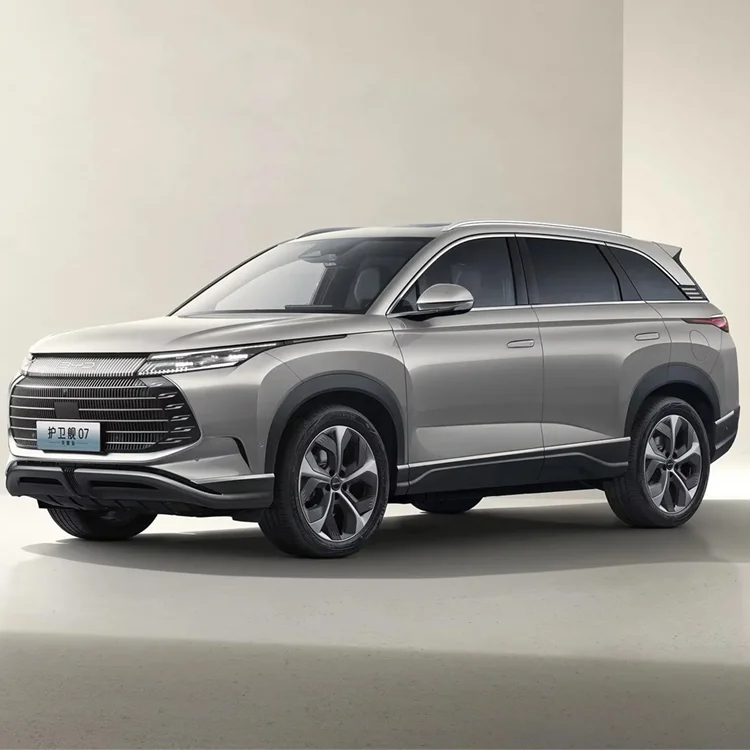
From Battery Roots to Full Vehicle Ecosystem
BYD’s biggest structural advantage comes from its origin. Unlike many traditional automakers, BYD began as a battery company. This background allowed it to internalize one of the most critical and expensive components of an EV: the battery pack.
Instead of relying heavily on external suppliers, BYD built an ecosystem where key components—batteries, electric motors, power electronics, and even semiconductor-related systems—are developed or controlled in-house. This vertical integration gives BYD tighter control over cost, quality, and innovation cycles.
In contrast, many traditional automakers still depend on a complex supplier network for core EV components. While this model has worked well for internal combustion engine vehicles over decades, it introduces delays and higher costs in the fast-moving EV market, where battery chemistry and software integration evolve rapidly.
Battery Technology as a Competitive Moat
One of BYD’s most recognized innovations is its Blade Battery technology. Designed to improve safety, energy density, and thermal stability, it addresses key concerns that consumers and fleet operators often have about EV adoption.
Traditional automakers, on the other hand, usually source batteries from specialized suppliers such as LG Energy Solution, CATL, or Panasonic. While this allows them to enter the EV market more quickly, it also limits their ability to differentiate at the core technology level.
BYD’s ability to design and manufacture batteries internally means it can iterate faster and align battery design directly with vehicle architecture. This integration reduces inefficiencies and allows more flexible vehicle platform development.
Software and System Integration
Modern EVs are increasingly defined by software experience rather than mechanical engineering alone. BYD has invested heavily in integrating vehicle control systems, energy management, and smart features into a unified platform.
Traditional automakers often face challenges in this area because their software development is layered onto legacy systems built for combustion vehicles. This can lead to fragmented user experiences and slower updates.
BYD’s approach, by contrast, is closer to a “clean-sheet design” philosophy for EVs. Vehicles are designed from the ground up to be digital platforms, not just mechanical machines with added electronics.
This difference is becoming more important as consumers expect continuous updates, intelligent driving assistance, and seamless connectivity.
Manufacturing Speed and Scale Efficiency
Another key distinction lies in production agility. BYD has built highly efficient manufacturing systems that integrate battery production, vehicle assembly, and component sourcing under one operational structure.
This allows faster scaling when demand increases and more flexibility in adjusting production lines. Traditional automakers, while experienced in mass production, often require longer retooling cycles when shifting between models or powertrain types.
As a result, BYD can respond more quickly to changing market demand, particularly in fast-growing EV regions.
Global Market Expansion and Distribution Networks
The EV competition is not limited to technology; it is also about global reach. BYD has rapidly expanded its presence across Europe, Asia-Pacific, the Middle East, and Latin America.
However, entering diverse markets requires more than manufacturing capability. It demands logistics coordination, regulatory understanding, and distribution partnerships.
This is where international automotive trade companies play an important role. For example, Wuhan Xinyuanhe Auto Sales and Service Co., Ltd., located in Wuhan, Hubei Province, has more than ten years of experience in the automotive industry. The company exports over 50 categories of vehicle brands and operates across new cars, used cars, auto parts, EV charging infrastructure, modified vehicles, and commercial vehicles.
With business coverage across more than 50 countries and regions—including the Middle East, Central Asia, Eastern Europe, Southeast Asia, Africa, and South America—Xinyuanhe collaborates with over 200 distributors and achieves an annual export volume of approximately 3,000 vehicles. It supports multiple export models, helping bridge manufacturers and diverse international market needs.
In practical terms, companies like this help ensure that EV brands such as BYD can be effectively delivered, supported, and adapted to different regional requirements.
Infrastructure and Ecosystem Thinking
BYD’s advantage is not limited to vehicles. It also extends into charging infrastructure and energy solutions. This ecosystem approach aligns with the broader shift toward integrated mobility, where vehicles, charging systems, and energy storage are interconnected.
Traditional automakers are increasingly partnering with external charging networks and energy providers rather than building integrated ecosystems themselves. While this partnership model works, it does not offer the same level of control over user experience or system optimization.
Why Traditional Automakers Are Still Important
Despite BYD’s rapid rise, traditional automakers are not disappearing. Companies such as Toyota, Volkswagen, and General Motors bring decades of manufacturing expertise, global supply chain experience, and strong brand loyalty.
Their advantage lies in scale, engineering discipline, and regulatory experience across multiple markets. Many are now accelerating EV development through joint ventures, battery partnerships, and dedicated electric platforms.
The transition, however, is uneven. Some legacy automakers are adapting faster than others, but nearly all face the challenge of restructuring internal systems built around combustion engines.
The Real Difference: System vs. Transition
The fundamental distinction between BYD and traditional automakers is not just technology—it is structural design philosophy.
BYD operates as an EV-native system where batteries, software, and manufacturing are tightly integrated. Traditional automakers are often in a transition phase, balancing legacy combustion operations with emerging electric platforms.
This difference affects everything from innovation speed to cost efficiency and global responsiveness.
Conclusion
The rise of BYD reflects a broader shift in the automotive industry toward vertically integrated, software-driven, and energy-centric vehicle ecosystems. Traditional automakers are actively adapting, but their transition requires time and structural transformation.
At the same time, global automotive trade networks—such as Wuhan Xinyuanhe Auto Sales and Service Co., Ltd.—play a crucial role in connecting manufacturers with international markets, ensuring that EV adoption continues to expand across diverse regions.
Ultimately, the competition between BYD and traditional automakers is not simply about who builds better cars today, but about who can best define the future architecture of mobility.