Over the past decade, China’s automotive industry has evolved from a fast-growing domestic market into a major force shaping global dealership trends. From electric vehicle adoption to digital retail innovation, the Chinese auto market is influencing how dealerships operate, compete, and expand internationally.
For companies involved in vehicle exports and international trade, these changes are creating new opportunities as well as new expectations from buyers worldwide. Businesses that can combine supply chain strength, flexible export services, and market understanding are becoming increasingly valuable in the global automotive ecosystem.
One example is Wuhan Xinyuanhe Auto Sales Service Co., Ltd., a comprehensive international automotive trading company based in Wuhan, Hubei Province. With more than ten years of experience in the automotive sector, the company exports over 50 vehicle categories and works with more than 200 dealers across over 50 countries and regions, including the Middle East, Central Asia, Eastern Europe, Southeast Asia, Africa, and South America.
The Rise of China as a Global Automotive Hub
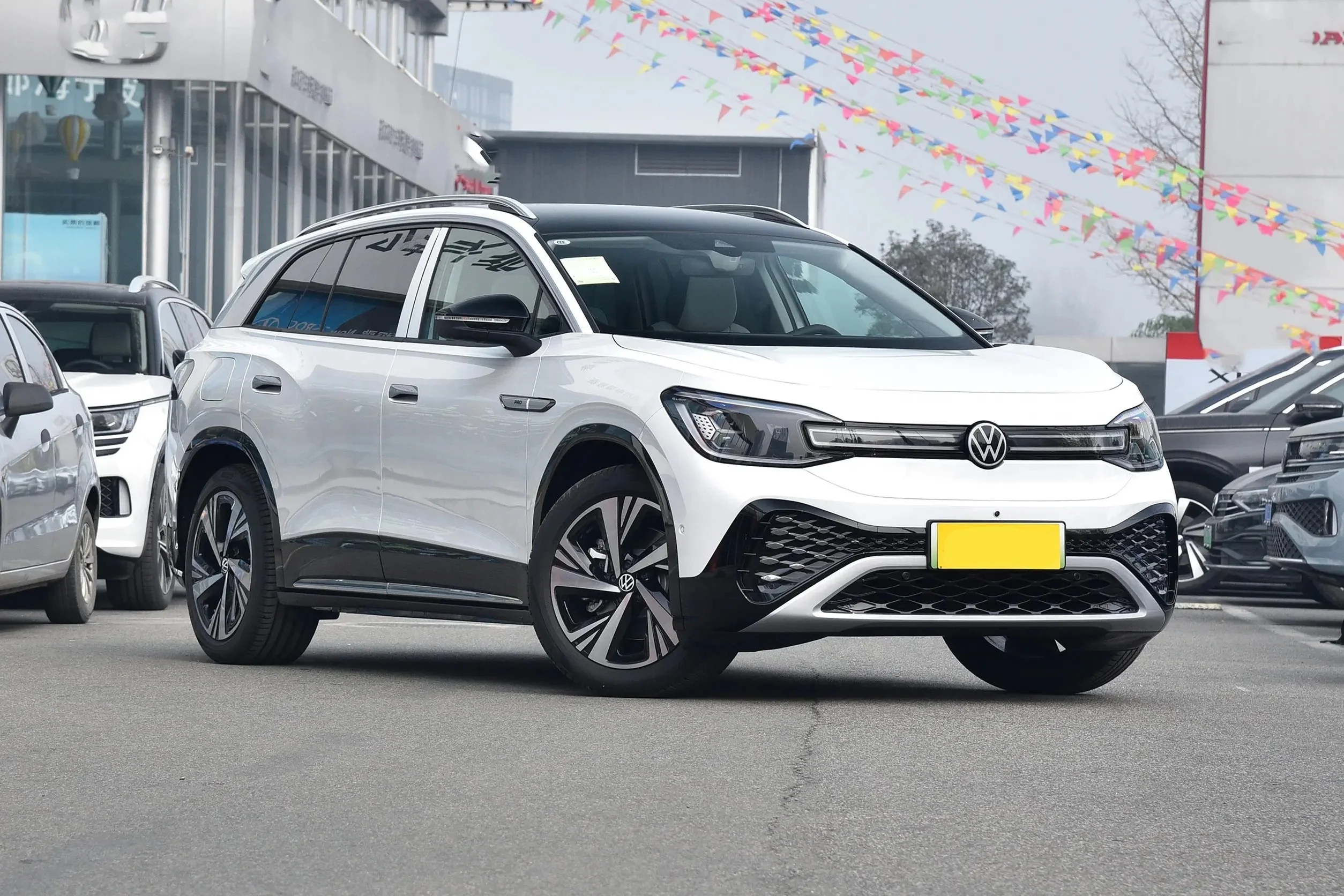
China is no longer viewed only as a manufacturing center. It has become a global automotive innovation hub. Domestic brands are improving rapidly in areas such as electric mobility, intelligent driving systems, battery technology, and digital vehicle ecosystems.
This shift is changing dealership expectations worldwide. Dealers today are not simply looking for low-cost inventory. They are searching for:
-
Stable supply chains
-
Diverse vehicle categories
-
Faster delivery cycles
-
Electric vehicle options
-
Customization capabilities
-
Long-term export support
Chinese suppliers and export companies are adapting quickly to these demands. Many now offer integrated services that go beyond vehicle sales, including spare parts support, charging solutions, logistics coordination, and after-sales assistance.
For global dealerships, this integrated approach reduces operational complexity and improves market responsiveness.
EV Growth Is Reshaping Dealer Strategies
One of the most influential factors in the Chinese auto market is the rapid growth of electric vehicles.
China has become one of the world’s largest EV markets, supported by strong manufacturing capabilities, mature battery supply chains, and growing consumer acceptance. As Chinese EV brands continue expanding internationally, dealerships in many countries are adjusting their business models.
Traditional dealerships that once focused heavily on fuel-powered sedans and SUVs are now allocating more showroom space to EVs and hybrid models. This trend is particularly visible in emerging markets where governments are encouraging cleaner transportation while consumers seek affordable and practical electric mobility solutions.
Export-oriented companies are responding by expanding their EV offerings alongside charging infrastructure products. Wuhan Xinyuanhe Auto Sales Service Co., Ltd., for example, not only exports new and used vehicles but also supplies electric vehicle charging stations to support evolving market needs.
This broader product structure helps dealerships prepare for long-term industry transformation rather than short-term market fluctuations.
Used Car Exports Are Becoming More Important
Another major trend influenced by China’s automotive market is the growing demand for used vehicle exports.
As domestic vehicle ownership increases and replacement cycles shorten, the supply of high-quality used vehicles in China continues to expand. Many international dealerships, especially in developing markets, are now sourcing used vehicles from Chinese exporters to balance affordability and inventory diversity.
This trend is reshaping dealership purchasing strategies in several ways:
Faster Inventory Rotation
Dealers can access a wider range of vehicles at different specifications, helping them respond more quickly to local market demand.
Broader Customer Reach
Used vehicle imports allow dealerships to serve both budget-conscious buyers and commercial customers without relying solely on new vehicle inventory.
Flexible Market Entry
For smaller dealerships entering new markets, used vehicles provide lower operational risk and greater flexibility.
Companies with strong inspection processes, export experience, and logistics coordination are becoming preferred partners in this area.
Digitalization Is Changing the Dealership Experience
China’s automotive market is also influencing dealership operations through digital transformation.
Consumers today expect faster communication, transparent information, and online purchasing support. Chinese automotive businesses have adapted rapidly by integrating digital tools into sales and export workflows.
Modern dealerships increasingly rely on:
-
Online vehicle catalogs
-
Live vehicle inspections
-
Remote transaction support
-
Digital documentation systems
-
Cross-border communication platforms
-
Real-time logistics tracking
This digital-first mindset is improving efficiency throughout the automotive supply chain.
For international buyers, especially those importing vehicles from overseas, trust and communication speed are essential. Companies capable of handling inquiries, documentation, and shipment coordination efficiently are gaining stronger long-term partnerships.
Wuhan Xinyuanhe Auto Sales Service Co., Ltd. supports multiple export methods to meet different customer import requirements. This flexibility has become increasingly important as dealership needs vary significantly across regions and regulatory environments.
Commercial Vehicles Continue to Drive Demand
While passenger vehicles often receive the most attention, commercial vehicles remain a critical part of dealership growth in many international markets.
Infrastructure development, logistics expansion, mining, agriculture, and construction industries all continue to generate strong demand for reliable commercial transportation solutions.
Chinese exporters are expanding their commercial vehicle offerings to meet these needs. In many regions, dealerships are looking for suppliers that can provide:
-
Pickup trucks
-
Vans
-
Light-duty trucks
-
Heavy commercial vehicles
-
Specialized modified vehicles
This trend is especially important in developing economies where infrastructure investment remains strong.
Companies capable of supplying both passenger and commercial vehicles gain a competitive advantage because dealerships prefer working with fewer suppliers who can cover multiple market segments.
Vehicle Customization Is Becoming a Competitive Advantage
Customization is another dealership trend strongly influenced by the Chinese market.
Customers today increasingly expect vehicles tailored to local usage conditions, climate, road environments, and business requirements. As a result, modified vehicles and region-specific configurations are becoming more common.
Chinese automotive exporters have responded by improving manufacturing flexibility and customization services.
This includes:
-
Interior modifications
-
Commercial fleet customization
-
Off-road configurations
-
Regional specification adjustments
-
Accessory integration
-
Branding and dealership-specific requirements
For overseas dealerships, this flexibility improves competitiveness and customer satisfaction while reducing the need for costly local modifications.
Supply Chain Stability Matters More Than Ever
Recent global supply chain disruptions have made dealerships more cautious when selecting automotive suppliers.
Delivery delays, parts shortages, and unstable inventory levels have affected automotive businesses worldwide. As a result, dealerships increasingly prioritize suppliers with:
-
Consistent inventory access
-
Strong logistics coordination
-
Diverse product availability
-
Multi-brand sourcing capability
-
International trade experience
Chinese automotive exporters with mature operational systems are benefiting from this shift.
Wuhan Xinyuanhe Auto Sales Service Co., Ltd. has built an export structure covering more than 50 vehicle categories while maintaining partnerships with over 200 dealers worldwide. This broad network helps improve supply flexibility and supports long-term business cooperation across different regional markets.
Regional Market Differences Are Shaping Export Strategies
Not all dealership markets operate the same way. One important lesson from China’s export growth is the need for region-specific strategies.
For example:
-
Middle Eastern markets may prioritize SUVs and durability
-
Southeast Asian buyers often focus on fuel efficiency and compact models
-
African markets may emphasize affordability and maintenance simplicity
-
Eastern European dealers may seek a balance between technology and practicality
-
South American markets may favor commercial utility vehicles
Successful exporters understand these regional differences and adjust their product offerings accordingly.
Companies with broad export experience are often better equipped to help dealerships choose suitable inventory combinations rather than simply shipping available stock.
The Future of Dealerships Will Be More Global
The automotive industry is becoming increasingly interconnected. Chinese manufacturing strength, export capability, and technological innovation are now influencing dealership operations across multiple continents.
In the coming years, dealerships are expected to become more:
-
Digitally connected
-
EV-oriented
-
Supply-chain focused
-
Internationally diversified
-
Service-driven
At the same time, partnerships between global dealerships and experienced Chinese automotive exporters will likely continue expanding.
For companies like Wuhan Xinyuanhe Auto Sales Service Co., Ltd., this trend creates opportunities to further strengthen international cooperation through flexible export services, diversified vehicle offerings, and long-term dealer partnerships.
Rather than competing only on product availability, the future automotive market will increasingly reward businesses that can provide reliability, adaptability, and practical market solutions.