
Buying a used vehicle can be one of the smartest automotive decisions you make. Whether you’re upgrading from your first car, expanding a family fleet, or sourcing vehicles for commercial purposes, the used car market offers flexibility, variety, and practical value. The key, however, lies in choosing the right vehicle for your specific needs—not just what looks appealing at first glance.
With years of experience in global automotive trade, Wuhan Xinyuanhe Auto Sales Service Co., Ltd. has seen how thoughtful vehicle selection leads to long-term satisfaction. Based in Wuhan, Hubei Province, the company has been deeply engaged in the automotive industry for over a decade. As a comprehensive international trading company, it exports more than 50 vehicle brands and categories, covering new cars, used cars, commercial vehicles, auto parts, modified vehicles, and EV charging equipment. Its markets span the Middle East, Central Asia, Eastern Europe, Southeast Asia, Africa, and South America, working with over 200 dealers and exporting around 3,000 vehicles annually.
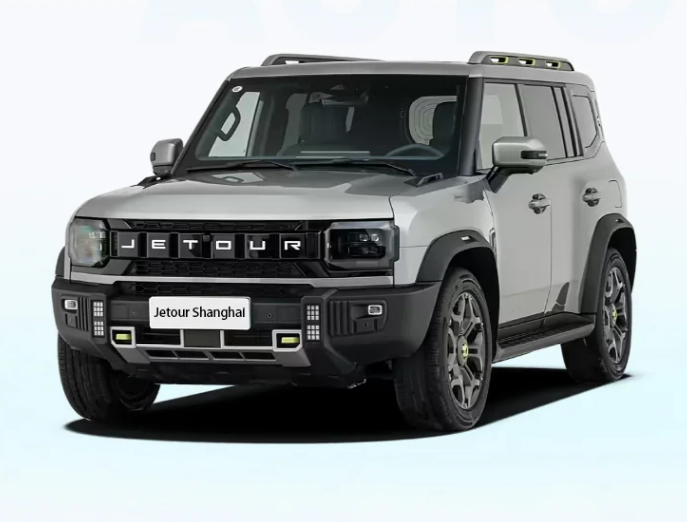
Drawing on this practical industry perspective, here is a grounded, step-by-step guide to choosing the right used vehicle.
1. Define Your Primary Purpose
Before comparing brands or models, clarify how you will actually use the vehicle.
-
Daily commuting in urban areas
-
Long-distance highway travel
-
Family transportation
-
Business or commercial use
-
Off-road or rural driving
-
Mixed personal and cargo needs
A compact sedan may work perfectly for city commuting, while a commercial van or pickup may be essential for logistics or field operations. Many buyers make the mistake of selecting based on appearance or brand reputation without aligning the vehicle to real usage patterns.
For example, in export markets such as Central Asia or Africa, ground clearance and durability often matter more than infotainment systems. In dense urban environments in Southeast Asia, fuel efficiency and maneuverability tend to be top priorities.
The right used vehicle begins with matching specifications to real-world conditions.
2. Set a Realistic Total Ownership Plan
Choosing the right used vehicle is not just about the purchase itself. Consider:
-
Maintenance accessibility
-
Spare parts availability
-
Fuel type and efficiency
-
Service network coverage
-
Insurance and registration requirements
If you are sourcing a vehicle internationally, parts availability becomes especially important. A model that performs well in one region may be difficult to maintain in another if components are scarce.
Companies with broad export experience, such as Wuhan Xinyuanhe Auto Sales Service Co., Ltd., understand these regional differences. With exports to more than 50 countries and established dealer networks, they evaluate vehicle suitability based not only on condition but also on destination-market practicality.
3. Research Model Reliability and History
Used vehicle selection requires deeper research than buying new. Focus on:
-
Long-term reliability records
-
Common mechanical issues
-
Engine and transmission performance
-
Recall history
-
Maintenance frequency
Some vehicles are known for robust engines but weaker transmissions. Others perform well mechanically but have higher electronic system repair rates. Industry experience and real market data matter here.
When evaluating options through professional exporters, you can often access vehicles that have already been screened for structural integrity and mechanical reliability. For curated listings and available inventory, you can review options here:
This allows buyers to start with professionally sourced vehicles rather than unknown private listings.
4. Check Vehicle Condition Thoroughly
A proper used vehicle inspection goes beyond a quick visual check. Key areas include:
Exterior and Body
-
Signs of accident repair
-
Paint inconsistencies
-
Rust or corrosion
-
Frame alignment
Engine and Mechanical Systems
-
Cold start performance
-
Engine noise
-
Fluid leaks
-
Transmission shifting smoothness
Interior
-
Seat wear relative to mileage
-
Dashboard warning lights
-
Electrical system function
-
Air conditioning performance
Documentation
-
Service history
-
Ownership records
-
Mileage consistency
Professional exporters and established automotive trading companies often conduct systematic inspections before listing vehicles for international buyers. This reduces risk, especially for cross-border transactions.
5. Consider Fuel Type and Future Regulations
Depending on your market and future policy trends, fuel type selection is increasingly important.
Options may include:
-
Gasoline
-
Diesel
-
Hybrid
-
Fully electric
In some countries, emission regulations are tightening, making older high-emission vehicles harder to register. In other regions, diesel engines remain preferred for their torque and fuel economy in commercial use.
Wuhan Xinyuanhe Auto Sales Service Co., Ltd. also operates in electric vehicle and charging infrastructure sectors, which provides additional insight into shifting mobility trends. Buyers planning long-term fleet investments should consider how future regulations may affect vehicle usability.
6. Match Vehicle Size to Lifestyle or Business Scale
It is easy to overestimate vehicle size requirements.
Ask yourself:
-
How many passengers regularly travel?
-
How much cargo capacity is truly needed?
-
Is parking space limited?
-
Will the vehicle operate in narrow urban streets or open rural roads?
For family use, a mid-size SUV may offer sufficient space without unnecessary fuel consumption. For business, selecting the right payload capacity directly impacts operational efficiency.
Experienced exporters often categorize vehicles not only by model but also by application scenario, helping buyers avoid mismatches between vehicle type and actual need.
7. Understand Import and Export Logistics
If purchasing from overseas suppliers, logistics planning is essential.
Important factors include:
-
Shipping method (container or RORO)
-
Destination port regulations
-
Pre-shipment inspection requirements
-
Customs documentation
-
Local homologation standards
Wuhan Xinyuanhe Auto Sales Service Co., Ltd. supports multiple export methods to meet different market and customer import requirements. This flexibility helps buyers align logistics solutions with their country’s policies and infrastructure.
Working with companies that handle documentation, inspection, and shipping coordination reduces administrative risk and delays.
8. Evaluate Supplier Credibility
In the used vehicle market, supplier reliability is just as important as vehicle condition.
Look for:
-
Years of industry experience
-
Verified export records
-
Established dealer partnerships
-
Clear communication process
-
Transparent documentation
A company operating for over a decade in international automotive trade, exporting thousands of vehicles annually and cooperating with hundreds of dealers, demonstrates operational stability and market trust.
Credibility ensures smoother transactions, especially in cross-border deals where buyers cannot physically inspect vehicles.
9. Balance Brand Preference with Practicality
Brand reputation matters, but practical factors matter more.
Instead of focusing only on brand image, evaluate:
-
Local service availability
-
Engine durability in your climate
-
Fuel compatibility
-
Resale demand in your region
Some brands perform exceptionally well in certain climates but face challenges in extreme heat or cold. Others offer strong resale value in specific markets.
Used vehicle selection is not about prestige—it is about suitability and long-term usability.
10. Think Long-Term
The best used vehicle is one that continues to meet your needs several years from now.
Consider:
-
Will your family size change?
-
Will your business expand?
-
Are infrastructure upgrades expected in your area?
-
Will electric vehicle adoption increase?
Strategic selection today prevents premature replacement tomorrow.
Companies active in both traditional and new energy vehicle sectors, like Wuhan Xinyuanhe Auto Sales Service Co., Ltd., often have a broader perspective on future market direction, helping buyers make informed long-term decisions.
Final Thoughts
Choosing the right used vehicle is a process that combines practicality, research, inspection, and supplier reliability. It is not about finding the newest model or the lowest mileage—it is about selecting a vehicle aligned with your real needs, regional conditions, and long-term plans.
With more than ten years of industry experience, exports to over 50 countries, partnerships with 200+ dealers, and annual exports reaching thousands of units, Wuhan Xinyuanhe Auto Sales Service Co., Ltd. represents the kind of structured, professional approach that reduces risk in used vehicle sourcing.
When approached carefully, a used vehicle can deliver dependable performance, operational efficiency, and long-term value—without unnecessary complexity.