
The global automobile export landscape is undergoing a significant transformation in 2026. Driven by electrification, infrastructure expansion, shifting trade routes, and evolving consumer demand, exporters are no longer focused only on traditional automotive markets. Instead, emerging economies across the Middle East, Central Asia, Eastern Europe, Southeast Asia, Africa, and South America are becoming the primary growth engines of global vehicle trade.
For companies engaged in international automotive distribution, understanding these regional dynamics is no longer optional—it is essential for sustainable growth. One example is Wuhan-based exporter, which has spent over a decade building its presence across multiple continents:
Wuhan xinyuanhe auto sales service co., ltd
With more than 50 automotive brands exported, a portfolio spanning new vehicles, used cars, auto parts, EV charging infrastructure, modified vehicles, and commercial trucks, and partnerships with over 200 dealers in 50+ countries, the company represents a diversified and practical model of modern automotive trade. Its annual export volume of around 3,000 vehicles reflects steady operational capability across multiple market environments.
This article explores the most important automobile export markets in 2026 and the key factors shaping demand in each region.
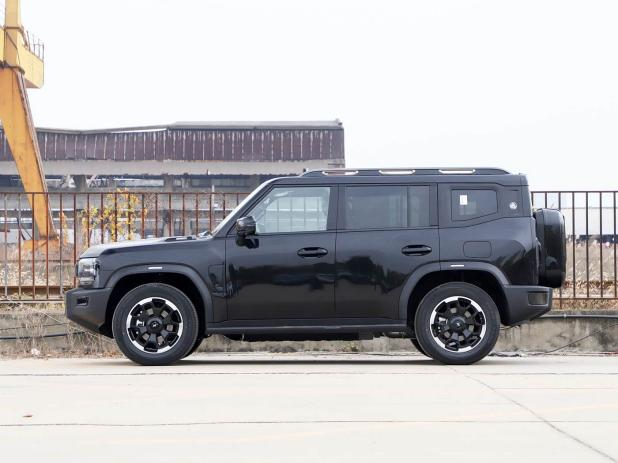
1. Middle East: High Demand for Durable and Luxury Vehicles
The Middle East remains one of the most attractive automobile export markets due to strong purchasing power, infrastructure quality, and consistent demand for both premium and durable vehicles.
Countries such as Saudi Arabia, the United Arab Emirates, Iraq, and Jordan continue to import large volumes of SUVs, pickup trucks, and luxury sedans. The climate conditions also create strong demand for vehicles with enhanced cooling systems, dust resistance, and high-performance engines.
Another emerging trend in the region is the adoption of electric vehicles (EVs), especially in urban hubs like Dubai and Riyadh. Governments are investing heavily in EV infrastructure, which is gradually reshaping import structures.
Exporters that succeed in this market typically offer:
-
Robust SUVs and off-road vehicles
-
High-spec commercial vehicles
-
Reliable after-sales support
-
Flexible sourcing for both new and used inventory
2. Central Asia: Growing Demand Driven by Infrastructure Expansion
Central Asia, including Kazakhstan, Uzbekistan, Kyrgyzstan, and Turkmenistan, is experiencing steady automotive market growth due to infrastructure development and rising cross-border trade activity.
The region relies heavily on imported vehicles because local manufacturing capacity is limited. This creates strong demand for affordable sedans, light commercial vehicles, and second-hand imports.
In particular, Uzbekistan has become one of the fastest-growing automotive import markets, with increasing demand for fuel-efficient vehicles and logistics fleets.
Key characteristics of this market include:
-
Price sensitivity with focus on mid-range vehicles
-
Strong demand for durable used cars
-
Expansion of logistics and transport fleets
-
Increasing government support for trade modernization
Exporters with diversified inventories and flexible logistics solutions are well positioned to succeed in this region.
3. Eastern Europe: Transition and Diversification in Vehicle Supply
Eastern Europe continues to evolve as a strategic automobile export destination. Countries such as Poland, Romania, Bulgaria, Serbia, and Ukraine are adapting to changing EU regulations and shifting supply chains.
The region is experiencing a transition from older internal combustion engine (ICE) fleets toward hybrid and electric alternatives. However, used vehicle imports remain strong due to affordability and consumer preference.
Key market drivers include:
-
Replacement of aging vehicle fleets
-
Rising demand for fuel-efficient cars
-
Expansion of used car import channels
-
Infrastructure alignment with EU standards
Exporters must pay close attention to compliance requirements, emissions standards, and certification processes when entering this market.
4. Southeast Asia: Rapid Growth in Urban Mobility Demand
Southeast Asia is one of the most dynamic automobile markets in 2026. Countries such as Indonesia, Thailand, Vietnam, Malaysia, and the Philippines are experiencing rapid urbanization and rising middle-class consumption.
Two major trends define this region:
First, motorcycles and compact cars remain essential for daily mobility due to dense urban environments. Second, there is increasing adoption of electric scooters and small EVs in major cities.
Infrastructure development is also accelerating, with governments investing in highways, ports, and EV charging systems.
Export opportunities in this region include:
-
Compact passenger vehicles
-
Affordable electric vehicles
-
Two-wheel electric mobility solutions
-
Light commercial logistics vehicles
Companies with flexible export models and multi-brand sourcing capabilities are particularly competitive in Southeast Asia.
5. Africa: Long-Term Growth Potential in Vehicle Imports
Africa represents one of the most promising long-term automobile export markets. Countries such as Nigeria, Kenya, South Africa, Egypt, and Ghana are driving demand growth due to population expansion, urbanization, and rising transportation needs.
The used car market is especially strong, as affordability remains a key factor for consumers and businesses. Commercial vehicles, including buses and trucks, are also in high demand due to infrastructure development and logistics expansion.
Key characteristics include:
-
High demand for affordable used vehicles
-
Strong commercial transport sector growth
-
Infrastructure-driven logistics expansion
-
Gradual introduction of EV pilot projects in major cities
While regulatory environments vary widely across countries, exporters who understand local import policies and provide adaptable vehicle sourcing models can build long-term partnerships.
6. South America: Stable Demand with Expanding Trade Channels
South America continues to show stable automotive import demand, particularly in Brazil, Chile, Peru, and Colombia. Economic fluctuations influence purchasing cycles, but overall demand remains consistent due to large population bases and expanding logistics sectors.
Brazil stands out as the largest automotive market in the region, with strong demand for SUVs, pickup trucks, and commercial fleets. Meanwhile, Chile is increasingly open to electric vehicles and hybrid imports.
Market highlights include:
-
Strong demand for pickup trucks and SUVs
-
Expanding used vehicle import channels
-
Gradual EV adoption in urban centers
-
Increasing trade cooperation with Asian exporters
Exporters benefit from establishing long-term dealer partnerships and ensuring compliance with local environmental and safety regulations.
7. The Role of Diversified Export Networks
In 2026, success in automobile exports is no longer defined by access to a single market. Instead, diversification across multiple regions is the key to stability and growth.
Companies like Wuhan xinyuanhe auto sales service co., ltd demonstrate this strategy effectively by maintaining a broad product portfolio and multi-regional distribution network. With coverage across more than 50 countries and cooperation with over 200 dealers, the company leverages regional demand differences to balance supply and optimize export efficiency.
Its business model includes:
-
New and used vehicle exports
-
Commercial vehicle distribution
-
Auto parts supply chains
-
EV charging infrastructure solutions
-
Customized vehicle modification services
This diversified structure allows adaptability across different regulatory environments and economic cycles.
8. Future Outlook: Electrification and Trade Integration
Looking ahead, the global automobile export market will continue to be shaped by electrification, digital logistics systems, and trade policy integration. Emerging markets will play an increasingly important role as developed markets reach saturation in vehicle ownership.
Electric vehicles will gradually shift from niche imports to mainstream offerings across all major regions. Meanwhile, digital platforms will streamline cross-border vehicle sourcing, documentation, and logistics coordination.
Exporters who invest in flexibility, compliance expertise, and multi-regional networks will be best positioned for long-term success.
Conclusion
The top automobile export markets in 2026 reflect a world in transition. From the high-income demand of the Middle East to the fast-growing mobility needs of Southeast Asia and Africa, each region presents unique opportunities and challenges.
Success in this evolving landscape depends on adaptability, product diversity, and strong international partnerships. Companies with established global networks and comprehensive automotive solutions are well positioned to thrive in this competitive environment.