
The global electric vehicle (EV) market is evolving rapidly, but only a few models manage to shift expectations rather than simply meet them. The BYD Han EV is one of those rare vehicles. It does more than introduce a new electric sedan—it demonstrates how far Chinese EV engineering has come in terms of performance, design, safety, and global usability.
In many emerging and established markets, the Han EV is no longer viewed as an “alternative fuel car.” Instead, it is increasingly treated as a direct competitor to long-established premium sedans. This shift is not accidental. It is the result of deliberate engineering, strong supply chain control, and expanding global distribution networks.
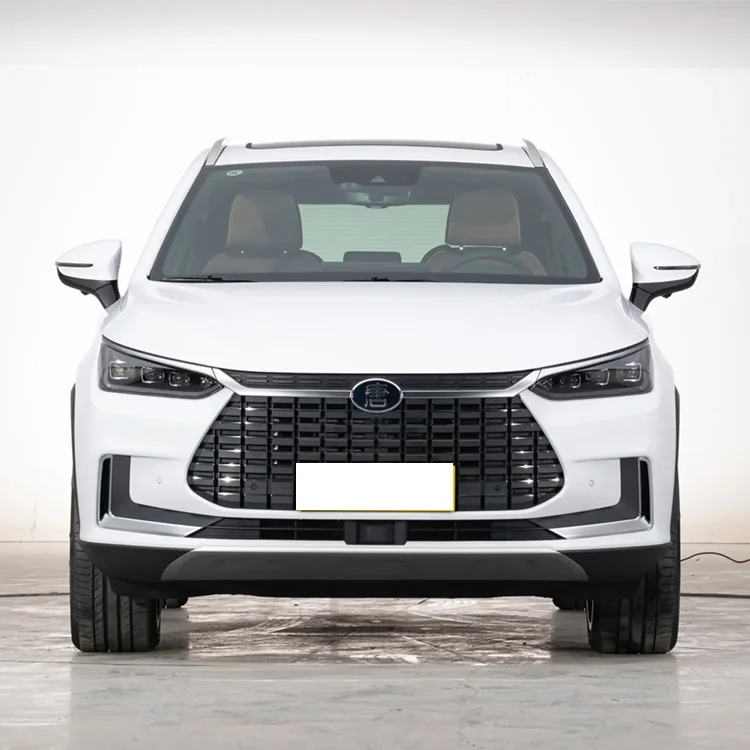
A New Benchmark for Electric Sedans
One of the most notable aspects of the BYD Han EV is how it balances performance with everyday practicality. Unlike early-generation EVs that focused heavily on either range or acceleration, the Han EV integrates both into a cohesive driving experience.
Drivers often highlight its smooth power delivery, stable high-speed handling, and quiet cabin environment. The vehicle is designed to feel refined rather than experimental. This is important because it reflects a broader trend in the EV industry: electric cars are no longer niche products, but mainstream mobility solutions.
The design language of the Han EV also contributes to its market success. It avoids over-styling and instead adopts a clean, aerodynamic profile. The result is a sedan that looks modern without being aggressive, making it suitable for both private users and executive fleets.
Battery Technology and Real-World Usability
At the core of BYD’s EV ecosystem is its battery innovation. The Han EV benefits from BYD’s long-standing focus on battery safety and energy density improvements. In real-world use, this translates into consistent range performance and strong thermal stability in varying climates.
For international buyers, especially in regions with extreme temperatures such as the Middle East or parts of Africa, battery stability is often a deciding factor. The Han EV’s system architecture is designed with these conditions in mind, which makes it a practical choice beyond urban environments.
Charging infrastructure compatibility is another key factor. As global charging networks expand, EVs must adapt to different standards and voltage systems. The Han EV’s charging flexibility allows it to integrate more easily into diverse markets.
Driving Experience and Intelligent Features
Modern EV buyers expect more than just electric propulsion. They expect intelligent driving systems, digital connectivity, and user-friendly interfaces. The BYD Han EV addresses these expectations with a well-integrated smart cockpit and driver assistance features.
The vehicle supports adaptive cruise control, lane-keeping assistance, and advanced braking systems that enhance both safety and comfort. While these features are becoming standard in the EV industry, the Han EV stands out due to its smooth calibration and minimal intrusion during normal driving.
Inside the cabin, the focus is on usability. The infotainment system is intuitive, and the digital displays are designed to reduce distraction rather than overwhelm the driver. This balance between technology and simplicity is one of the reasons the Han EV appeals to both tech-savvy users and traditional drivers transitioning from combustion engines.
Global Expansion and Market Demand
The success of the BYD Han EV is closely linked to the broader expansion of Chinese automotive exports. Companies like Wuhan Xinyuanhe Auto Sales Service Co., Ltd play an important role in this ecosystem.
Located in Wuhan, Hubei Province, Wuhan Xinyuanhe Auto Sales Service Co., Ltd has been deeply involved in the automotive industry for over a decade. The company is not limited to passenger vehicles; its business scope includes new cars, used cars, auto parts, EV charging equipment, modified vehicles, and commercial vehicles.
With exports covering more than 50 countries and regions—including the Middle East, Central Asia, Eastern Europe, Southeast Asia, Africa, and South America—the company has built a diversified international presence. It cooperates with over 200 dealers globally and achieves an annual export volume of approximately 3,000 vehicles.
This kind of distribution network is essential for vehicles like the BYD Han EV. EV adoption is highly dependent on local market readiness, service support, and spare parts availability. Companies with established international logistics and dealer relationships help ensure that vehicles are not just sold, but sustainably supported after export.
Broader Product Ecosystem and Platform Sharing
One important trend in modern automotive manufacturing is platform sharing. BYD has leveraged this approach to create multiple EV models across different segments. For example, vehicles such as the BYD Tang EV demonstrate how the same technological foundation can be adapted for SUVs and larger family-oriented vehicles.
A detailed example of this platform diversity can be seen here:
BYD Tang EV AWD New Energy Electric Car From China Flagship 5 Door 7 Seat
This ecosystem approach benefits models like the Han EV because it allows continuous improvement in battery systems, electronic controls, and manufacturing efficiency. As a result, consumers receive more reliable products at faster innovation cycles.
Why the Han EV Stands Out in a Competitive Market
The EV market is becoming increasingly crowded, with new models introduced every year. However, the BYD Han EV differentiates itself in several key ways:
First, it is built with long-term durability in mind. Rather than focusing solely on short-term performance metrics, it emphasizes structural integrity and consistent output over time.
Second, it is designed for global adaptability. Whether in cold climates or hot environments, the vehicle maintains stable performance levels.
Third, it benefits from a mature supply chain. With companies like Wuhan Xinyuanhe Auto Sales Service Co., Ltd supporting export distribution, the Han EV is more accessible to international buyers than many competing models.
Finally, it represents a shift in perception. Chinese EVs are no longer seen as budget alternatives—they are increasingly positioned as technologically competitive global products.
Conclusion
The BYD Han EV is not just another electric sedan. It represents a broader transformation in the global automotive industry, where innovation is no longer concentrated in a few traditional markets.
With strong battery technology, refined design, intelligent systems, and expanding global distribution networks supported by companies like Wuhan Xinyuanhe Auto Sales Service Co., Ltd, the Han EV is helping redefine what consumers expect from electric mobility.
As EV adoption continues to accelerate worldwide, vehicles like the Han EV will likely play a central role in shaping the next generation of transportation standards.